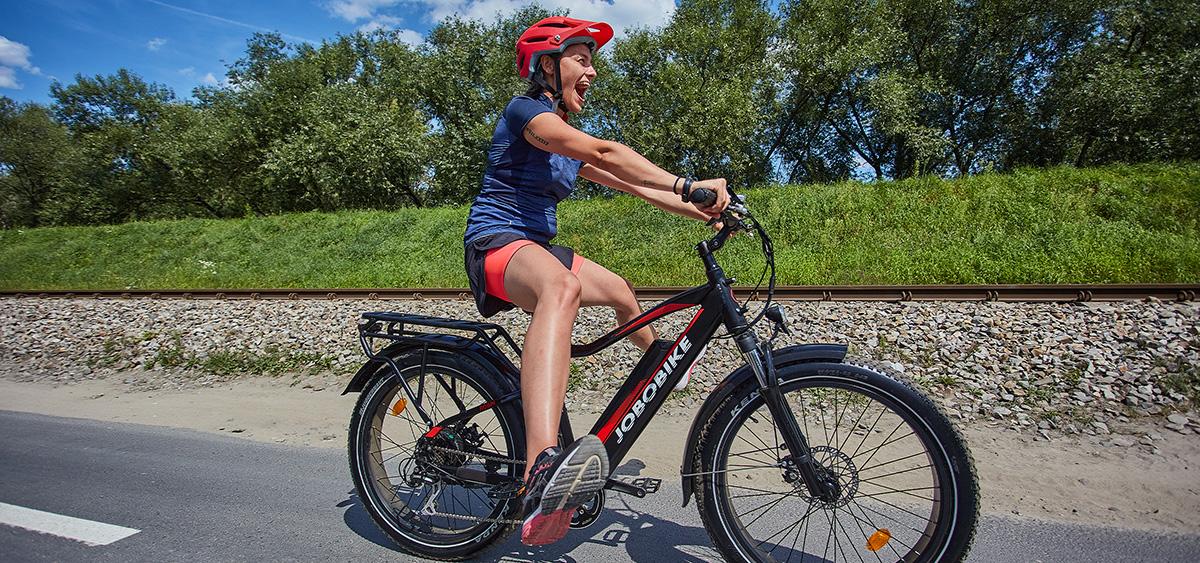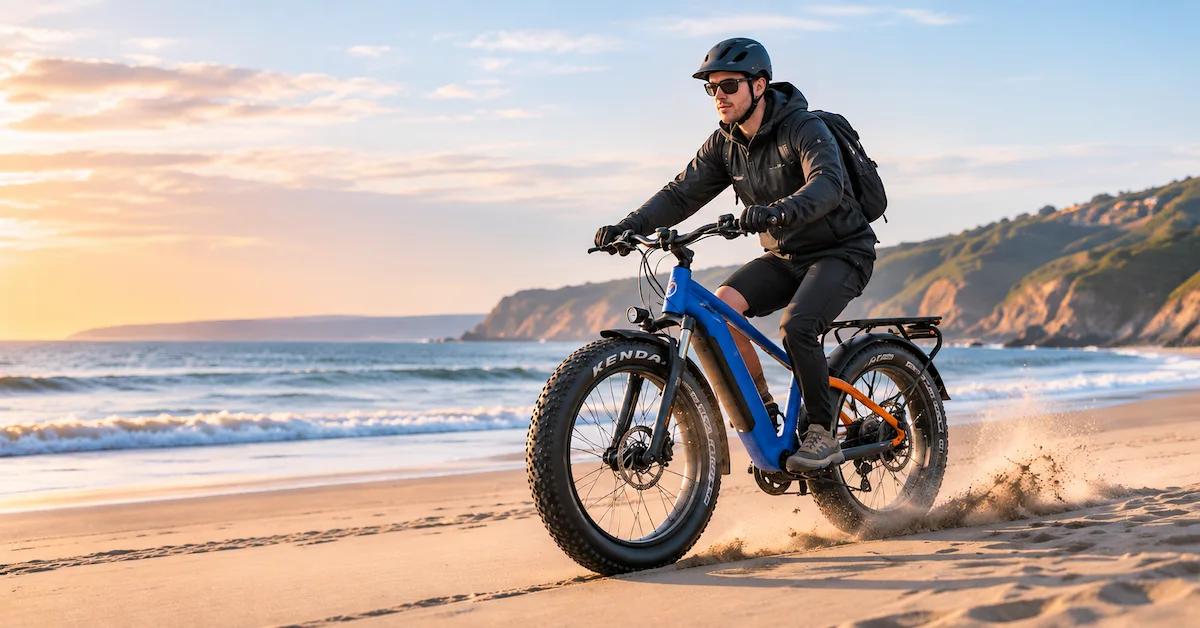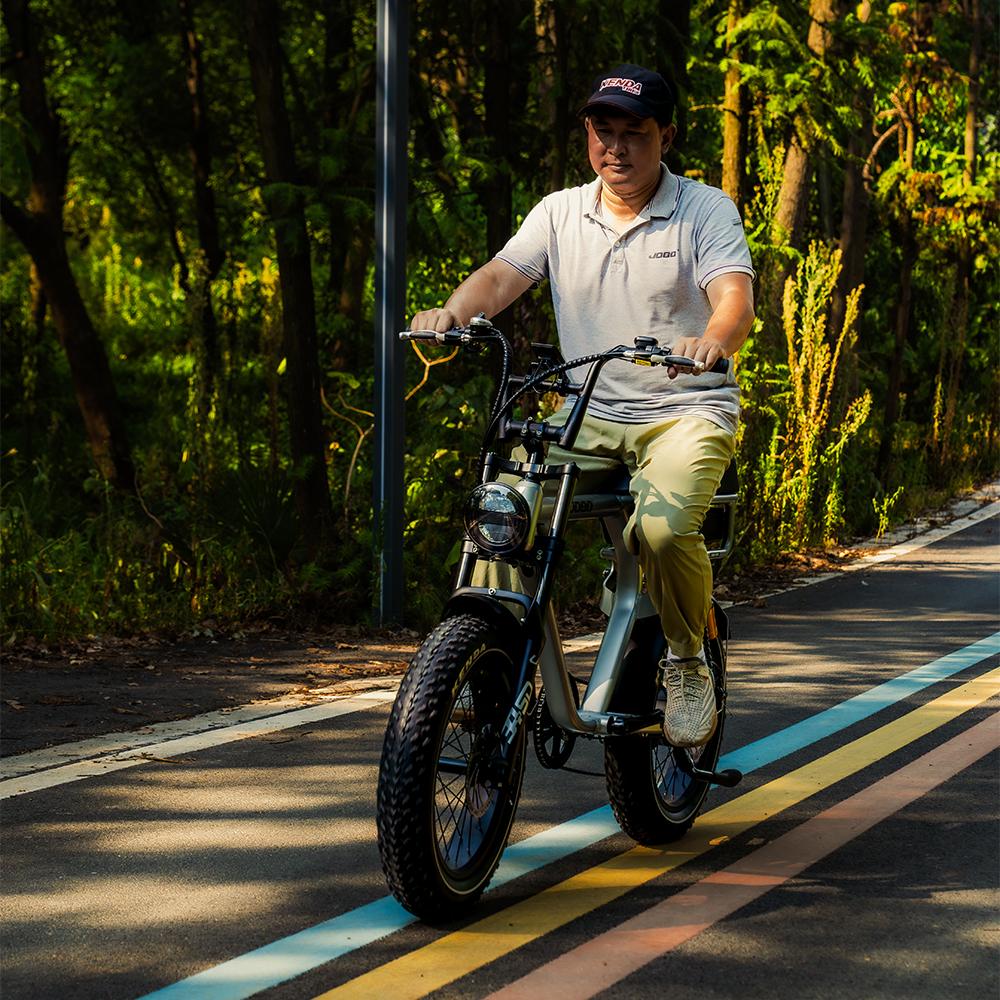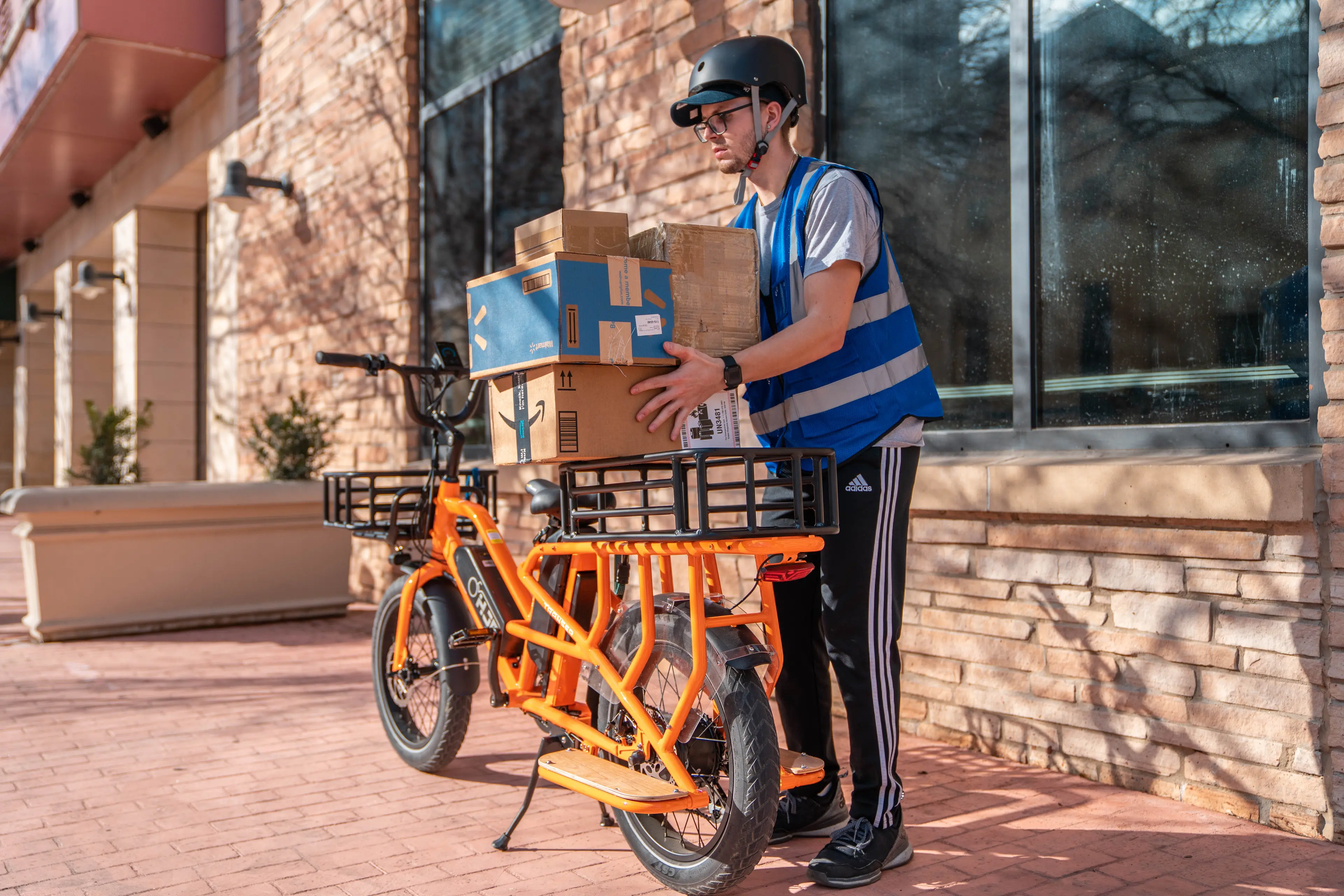
An all-terrain electric bicycle intended for a coastal resort faces different operating conditions from one used on gravel roads in North America or recreational routes during a European winter.
For electric bike distributors, outdoor mobility brands, and rental operators, these differences affect battery performance, tire selection, braking, corrosion protection, maintenance requirements, and long-term operating costs.
Choosing a custom all-terrain e-bike manufacturer therefore requires more than comparing motor wattage and tire width. Buyers need a manufacturing partner capable of translating regional riding conditions into a practical, testable product specification.
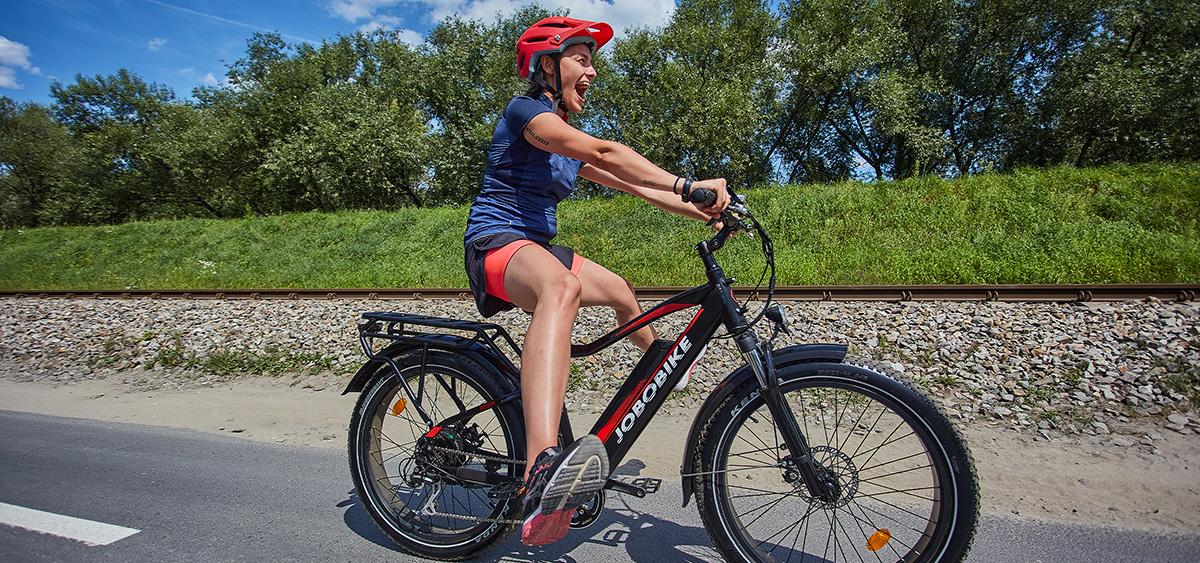
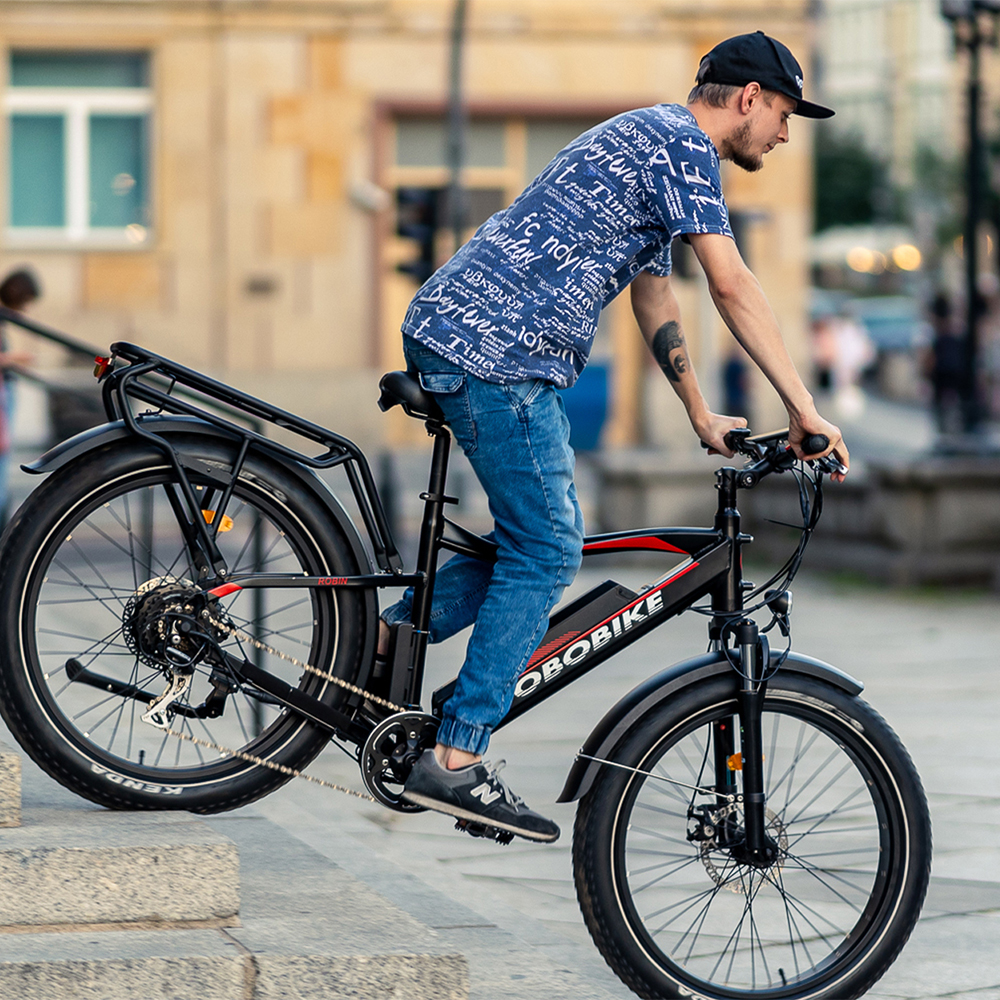
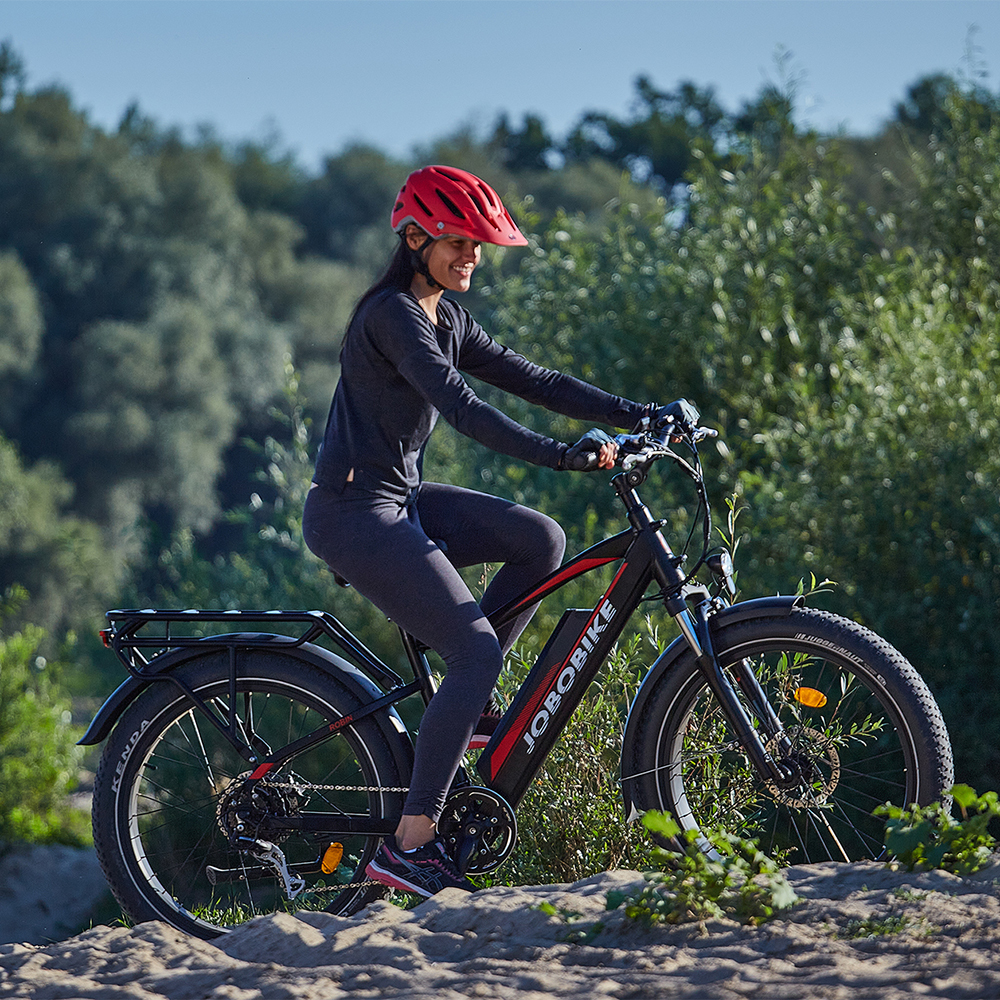
The JOBO JB-TDE33Z-F provides a relevant platform for this approach. Its published reference configuration combines a 48V 750W hub motor, 48V 15Ah lithium battery, 6061 aluminum alloy frame, KENDA 26×4.0-inch tires, suspension fork, and TEKTRO hydraulic disc brakes.
This guide explains how B2B buyers can configure the JB-TDE33Z-F for different environmental conditions, develop regional product specifications, validate representative samples, and establish a manageable wholesale supply program.
Quick Answer: How Do You Choose a Custom All-Terrain E-Bike Manufacturer?
Choose a custom all-terrain e-bike manufacturer that can match the motor, battery, tires, suspension, braking system, and protective finishing to the intended riding environment.
For the JOBO JB-TDE33Z-F, buyers should evaluate its 750W hub-motor platform, 26×4.0-inch tires, 48V 15Ah battery, and hydraulic brakes against actual route conditions and local regulations.
Before bulk purchasing, confirm temperature limits, battery-system protection, corrosion resistance, rider weight limits, replacement-parts availability, and the approved bill of materials (BOM). Conduct representative testing before promoting the bicycle for specialized outdoor applications.
1. Which Businesses Should Source Custom All-Terrain Electric Bikes?
All-terrain electric bicycles can provide a differentiated product category for businesses serving recreational riders and mixed-surface transportation markets.
Their commercial value depends on how effectively the bicycle matches the customer's operating environment.
| B2B customer | Potential application | Primary purchasing requirement |
|---|---|---|
| Outdoor equipment distributors | Recreational cycling | Product differentiation and terrain suitability |
| Adventure tourism operators | Guided rides on permitted routes | Range planning and fleet reliability |
| Coastal resorts | Beachside paths and approved recreational areas | Corrosion protection and maintenance |
| Desert-region distributors | Firm sandy routes and resort mobility | Thermal management and dust protection |
| Electric bike rental businesses | Seasonal outdoor rental programs | Serviceability and component consistency |
| Private-label mobility brands | Regional all-terrain product lines | OEM flexibility and repeatable manufacturing |
| Bicycle retailers | Gravel and mixed-surface riding | Rider fit, braking, and after-sales support |
The JB-TDE33Z-F may be worth evaluating for these applications because of its wide tires, hub-drive architecture, and configurable components.
However, it should not automatically be marketed as suitable for deep water, extreme desert heat, ice, aggressive downhill riding, or unrestricted off-road access.
Successful procurement begins with a clearly defined operating environment.
2. JOBO JB-TDE33Z-F Technical Specifications
The following table summarizes the supplied JB-TDE33Z-F product configuration.
| Component | Published reference specification | Buyer verification |
|---|---|---|
| Product model | JB-TDE33Z-F | Current production revision |
| Frame | 6061 aluminum alloy | Geometry, material and load ratings |
| Motor | 48V 750W hub motor | Continuous rated output and exact model |
| Battery | 48V 15Ah Samsung/LG cells | Approved cell and pack specifications |
| Nominal battery energy | 720Wh | Usable capacity and protection system |
| Sensor | Speed sensor | Assistance response and control logic |
| Display | LCD color display | Exact functions and configuration |
| Maximum speed | 25–38 km/h | Market-specific operating limits |
| Advertised riding distance | 40–60 km | Test conditions and battery configuration |
| Front fork | Suspension fork | Model, travel and intended use |
| Brakes | TEKTRO E3520 hydraulic disc brakes | Exact component and rotor specification |
| Drivetrain | Shimano 7-speed | Component models and service parts |
| Tires | KENDA 26×4.0-inch | Tread, inflation limits and load rating |
| Charger | 48V 3A listed | Compatible charging system and regional plug |
| Color and decals | In-house painting options | Approved color and artwork |
| Battery customization | Single or dual-battery options described | Engineering approval and electrical compatibility |
These specifications describe the supplied reference build rather than an independently tested production unit.
Some earlier JOBO publications list a 48V 14Ah battery for this platform and refer to different brake descriptions. Buyers should therefore use the latest signed technical specification to confirm which components will be installed.
Explore JOBO's electric bike product range.
3. Match the All-Terrain E-Bike Configuration to Actual Riding Surfaces
The term all-terrain describes a broad product positioning rather than proof that a bicycle can operate safely on every surface.
A professional sourcing program should establish the expected terrain before selecting tires, suspension, motor settings, and braking components.
Terrain-based purchasing comparison
| Riding environment | Main operating challenge | OEM purchasing priority |
|---|---|---|
| Firm gravel roads | Loose stones and vibration | Tread, suspension and fastener inspection |
| Packed forest paths | Uneven ground and debris | Tire clearance and handling |
| Coastal paths | Sand and salt exposure | Corrosion protection and cleaning |
| Firm sandy routes | Rolling resistance and wheel traction | Tire suitability and motor temperature |
| Cold-weather roads | Reduced battery performance and changing grip | Temperature limits and approved tires |
| Urban mixed surfaces | Frequent transitions between surfaces | Braking, comfort and serviceability |
Why 26×4.0-inch tires matter
The JB-TDE33Z-F uses KENDA 26×4.0-inch tires in its reference configuration.
Wide tires can provide useful flotation and surface contact under suitable conditions. However, actual traction depends on tread design, rubber compound, inflation pressure, vehicle mass, and the surface itself.
A wider tire is not automatically a safer tire.
For OEM projects, request the exact tire model, approved inflation range, rim compatibility, and maximum permissible load. Any change in tire dimensions should also be checked against the frame, fork, wheel assembly, and braking system.
4. How Should Buyers Configure E-Bikes for Hot and Sandy Environments?
Distributors serving desert-region resorts and hot-weather recreational markets should give particular attention to thermal conditions and contamination.
Fine sand can enter exposed mechanical interfaces, while high ambient temperatures can increase the thermal demands on motors, controllers, and batteries.
The JB-TDE33Z-F's 750W hub-motor specification provides a starting point for evaluation, but it does not establish continuous performance under extreme heat.
Important hot-weather procurement checks
-
Maximum approved operating and charging temperatures.
-
Motor and controller thermal protection.
-
Battery-management system protection.
-
Electrical connector and enclosure protection.
-
Tire suitability for the intended sandy surface.
-
Drivetrain and brake maintenance requirements.
-
Approved cleaning and storage procedures.
Buyers should distinguish between riding on firm sandy paths and operating in deep, loose sand.
These environments create different rolling resistance, energy requirements, and handling conditions.
Do not advertise a dustproof rating, waterproof rating, or maximum operating temperature unless the manufacturer provides evidence supporting that claim.
Practical recommendation for resort fleets
Use representative samples on approved routes during typical operating conditions. Record route distance, battery use, maintenance incidents, and any thermal warnings.
If the reference configuration does not meet the operating requirements, discuss an approved component or duty-cycle adjustment before increasing order quantities.
5. What Changes When an All-Terrain E-Bike Operates in Cold Weather?
Cold conditions can temporarily reduce the available performance of lithium-ion batteries. They may also change tire behavior, increase charging restrictions, and create additional maintenance demands.
For distributors planning seasonal rental programs, winter suitability must be established separately from ordinary summer performance.
Cold-weather purchasing priorities
| Component or process | Required consideration |
|---|---|
| Battery | Approved discharge and charging temperature limits |
| Charger | Compatibility with the battery protection system |
| Tires | Appropriate construction and tread for permitted conditions |
| Brakes | Performance and service requirements |
| Frame and hardware | Exposure to moisture and road salt |
| Electrical connections | Protection and inspection requirements |
| Storage | Manufacturer-approved temperature and charging conditions |
The UK Office for Product Safety and Standards publishes statutory guidelines on lithium-ion battery safety for e-bikes.
The guidance identifies temperature monitoring, protective battery systems, charger compatibility, and resistance to foreseeable environmental damage as important safety considerations.
For B2B buyers, this reinforces the need to request battery-pack documentation and manufacturer-defined operating, charging, and storage limits.
The Samsung/LG cell description does not independently establish that the complete JB-TDE33Z-F battery system meets these requirements.
Never charge a cold or overheated battery outside its approved temperature range.
6. Evaluate the 48V 15Ah Battery Using Real Operating Conditions
The JB-TDE33Z-F reference battery has a nominal rating of 48V 15Ah.
Its nominal energy is:
48V × 15Ah = 720Wh
JOBO advertises a driving distance of 40–60 km. However, actual riding distance depends on the complete bicycle configuration and operating conditions.
Illustrative range-planning examples
| Assumed energy consumption | Theoretical distance using 720Wh |
|---|---|
| 12Wh/km | 60 km |
| 15Wh/km | 48 km |
| 20Wh/km | 36 km |
| 25Wh/km | 28.8 km |
| 30Wh/km | 24 km |
These are mathematical examples, not measured JB-TDE33Z-F performance results. Actual usable energy and operating reserves may reduce practical riding distance.
A rental operator should not schedule a 60 km journey solely because the product advertises that distance.
Instead, determine the expected energy consumption on representative routes and maintain an appropriate operating reserve.
Should an OEM buyer select dual batteries?
JOBO describes single- and dual-battery customization possibilities.
Additional battery capacity may be useful for longer rental sessions or routes with limited charging opportunities.
However, a second battery also introduces additional weight, electrical integration requirements, charging considerations, and acquisition costs.
The complete dual-battery configuration must be approved and evaluated before production.
7. Compare the JB-TDE33Z-F with Other JOBO Fat Tire Platforms
A distributor should understand the differences between available platforms before committing to a new product range.
The JB-TDE33Z-F and JB-TDE04Z-F share similar published wheel sizes and motor-power figures, but their reference component packages differ.
| Specification | JB-TDE33Z-F | JB-TDE04Z-F |
|---|---|---|
| Product positioning | Custom all-terrain e-bike | Adult fat tire electric bike |
| Frame | 6061 aluminum alloy | 6061 aluminum alloy |
| Motor | 48V 750W hub motor | 48V 750W |
| Battery | 48V 15Ah | 48V 14Ah |
| Tires | KENDA 26×4.0 inches | KENDA 26×4.0 inches |
| Brakes | TEKTRO E3520 hydraulic | TEKTRO mechanical disc |
| Fork | Suspension fork | RST suspension fork |
| Transmission | Shimano 7-speed | Shimano 7-speed |
| Advertised range | 40–60 km | 40 km |
| Purchasing focus | Regional OEM configurations and seasonal fleets | Adult recreational and outdoor retail applications |
These published references should not be interpreted as a controlled performance comparison.
Different test conditions, component revisions, and electrical settings can influence actual results.
The JB-TDE33Z-F is worth evaluating where hydraulic braking, alternative battery arrangements, and region-specific product development are important purchasing priorities.
8. Why Hydraulic Brakes and Speed-Sensor Assistance Need Separate Evaluation
The supplied JB-TDE33Z-F specification identifies TEKTRO E3520 hydraulic disc brakes and speed-sensor assistance.
Both systems influence the rider's experience, but neither should be assessed independently of the complete bicycle.
Hydraulic disc brakes
For rental and outdoor recreational applications, buyers should confirm brake component models, rotor specifications, compatible replacement pads, hydraulic service requirements, and relevant braking-test results.
A hydraulic brake system may offer useful operating characteristics, but it requires trained servicing and appropriate replacement components.
Speed-sensor assistance
The published specification identifies a speed sensor rather than a torque sensor.
Buyers should confirm the exact sensor architecture and how it interacts with the controller.
A speed-sensor description does not independently establish proportional pedal-force assistance or electronic traction control.
Before approving a production configuration, evaluate starting behavior, assistance transitions, low-speed maneuverability, and motor cut-off.
These characteristics are especially important when rental customers have different riding experience levels.
9. Can the Same 750W All-Terrain E-Bike Be Sold in Every Market?
No. An internationally marketed electric bicycle platform does not automatically meet the regulations of every destination.
The JB-TDE33Z-F reference configuration lists a 750W motor and maximum speeds of 25–38 km/h.
Both figures require market-specific review.
North American recreational markets
The U.S. Bureau of Land Management's e-bike guidance explains that access to nonmotorized routes on BLM-managed land depends on applicable site-specific decisions.
Consequently, an outdoor rental operator should verify the actual bicycle classification and permitted routes before offering guided or independent rides.
Motor wattage alone does not establish trail access.
Great Britain
The UK Government's EAPC standards and legal requirements establish a maximum continuous motor rating of 250W and a motor-assistance cut-off at 15.5 mph for electrically assisted pedal cycles.
If the JB-TDE33Z-F's continuous rated output is 750W, it would not meet the standard EAPC power criterion.
A different approved configuration or vehicle classification would need to be considered.
Middle Eastern and other regional markets
Importers should independently confirm national vehicle requirements, public-road permissions, equipment documentation, and permitted recreational operating areas.
A custom all-terrain e-bike manufacturer should help buyers identify the intended technical configuration before production.
However, customization capability is not a substitute for applicable regulatory approval.
10. Develop Regional OEM Configurations Around One Platform
JOBO describes customization options involving frame geometry, motor selection, batteries, brakes, suspension, tires, display systems, and in-house painting.
Distributors can use these capabilities to discuss regional product concepts without automatically developing an entirely new frame.
Illustrative OEM development strategies
| Configuration concept | Gravel recreation | Coastal rental | Seasonal outdoor fleet |
|---|---|---|---|
| Base platform | JB-TDE33Z-F | JB-TDE33Z-F | JB-TDE33Z-F |
| Motor | Market-appropriate configuration | Approved rental configuration | Route-specific configuration |
| Battery | Standard 15Ah reference | Validated daily capacity | Temperature-reviewed battery |
| Tires | Approved gravel-oriented tread | Approved coastal-surface specification | Season-appropriate validated tires |
| Brakes | Hydraulic reference | Serviceable approved system | Condition-specific evaluation |
| Finishing | Brand colors | Corrosion-protection review | Environmental protection review |
| Display | Standard reference | Simple operator interface | Optional connected functions |
| Primary objective | Recreational retail appeal | Rental uptime | Seasonal consistency |
These concepts are proposed sourcing strategies, not confirmed factory-stock configurations.
Optional GPS or 4G integration must also be confirmed through the final OEM quotation rather than presented as standard equipment.
11. How Does JOBO Support Manufacturing and Quality Control?
For an all-terrain electric bicycle program, a manufacturer's production capabilities should be evaluated alongside its product development and inspection processes.
JOBO describes in-house frame fabrication, painting, assembly, OEM customization, and laboratory testing.
Its published quality-control capabilities include structural fatigue testing, complete-bike evaluation, battery thermal-shock testing, and motor dynamometer testing.
Review JOBO's electric bike quality-control laboratory.
Recommended production acceptance checkpoints
| Inspection or testing area | Purchasing objective |
|---|---|
| Aluminum frame | Approved dimensions, welding and structural evidence |
| Surface finishing | Consistent appearance and coating requirements |
| Motor | Correct model, rated output and functional behavior |
| Battery | Approved pack, charger and electrical protection |
| Hydraulic brakes | Component consistency and braking performance |
| Tires and rims | Correct specification, fit and assembly |
| Suspension fork | Approved configuration and installation |
| Environmental evaluation | Relevant temperature and contamination resistance |
| Final inspection | Match to the approved sample and BOM |
| Packaging | Protection, labeling and correct accessories |
Environmental testing capability does not establish that the JB-TDE33Z-F has passed a specific environmental test.
Buyers should request reports covering the intended production configuration.
Similarly, references to ISO 9001 or EN 15194 in company materials should be supported by current documentation. They must not be interpreted as automatic certification of every customized bicycle.
12. Improve Rental Fleet Economics Through Seasonal Planning
For outdoor rental companies, purchase price is only one part of the total cost of ownership.
Vehicle availability, charging schedules, maintenance labor, replacement parts, and seasonal demand also affect profitability.
Rental fleet purchasing metrics
| Metric | Commercial value |
|---|---|
| Completed rental sessions | Measures vehicle utilization |
| Available operating days | Identifies maintenance-related downtime |
| Battery consumption per route | Improves charging and route planning |
| Brake and tire replacement frequency | Supports maintenance budgets |
| Cleaning and inspection time | Influences operating labor costs |
| Replacement-parts availability | Supports faster repairs |
| Seasonal demand | Guides inventory and reorder planning |
| Customer feedback | Identifies product-fit improvements |
Why a pilot batch matters
Before ordering a complete seasonal fleet, evaluate a small number of representative bicycles.
Use the proposed operating routes, approved rider conditions, battery configurations, and maintenance procedures.
Record performance over a representative operating period.
If the pilot identifies recurring problems, resolve them through an approved configuration change or operating adjustment before mass production.
This approach can help operators avoid committing to a large fleet based solely on promotional specifications.
13. Prepare a JB-TDE33Z-F Wholesale RFQ
A detailed request for quotation enables the manufacturer to evaluate the buyer's real requirements.
| RFQ field | Information to provide |
|---|---|
| Target market | Country and vehicle classification |
| Business type | Distributor, rental operator, resort or OEM brand |
| Product model | JB-TDE33Z-F |
| Intended terrain | Gravel, paved paths or approved sandy routes |
| Climate | Expected operating and storage conditions |
| Motor | Required rated output and assistance configuration |
| Battery | Required capacity and single/dual arrangement |
| Tires | 26×4.0-inch reference and tread requirements |
| Brakes | Approved hydraulic system and service requirements |
| Branding | Colors, graphics, labels and packaging |
| Testing | Environmental, mechanical and electrical requirements |
| Order quantity | Samples, initial batch and future forecast |
| Commercial terms | MOQ, pricing, lead time and Incoterms |
| After-sales | Warranty, spare parts and technical documentation |
Buyers should also request the current frame geometry, complete bicycle weight, maximum permissible total mass, approved environmental limits, and production schedule.
These details allow JOBO to evaluate the project against a specific technical and commercial brief.
Request JB-TDE33Z-F OEM Configuration and Wholesale Pricing.
14. Frequently Asked Questions
1. What is a custom all-terrain e-bike?
A custom all-terrain e-bike is an electric bicycle configured for defined mixed-surface applications. Its components and operating limits should match the intended terrain, rider requirements, and destination market.
2. What motor does the JOBO JB-TDE33Z-F use?
The supplied reference configuration lists a 48V 750W hub motor. Buyers should confirm the exact motor model, continuous rated output, and applicable operating limits.
3. What battery is included in the JB-TDE33Z-F?
The supplied specification lists a 48V 15Ah lithium battery with Samsung/LG cells, representing approximately 720Wh of nominal energy. The final pack and cell specification should be confirmed in the quotation.
4. Can the JB-TDE33Z-F operate on sand?
It is marketed for mixed-surface riding, including sandy conditions. Actual suitability depends on the sand type, tire specification, motor performance, approved operating limits, and representative testing.
5. Is the JB-TDE33Z-F suitable for winter riding?
Winter suitability requires confirmation of battery temperature limits, tire performance, braking, environmental protection, and permitted riding conditions. Wide tires alone do not establish safe operation on snow or ice.
6. Does the JB-TDE33Z-F have hydraulic disc brakes?
The supplied detailed specification identifies TEKTRO E3520 hydraulic disc brakes. Buyers should confirm the final brake BOM and applicable testing because earlier JOBO materials contain different brake descriptions.
7. Can the JB-TDE33Z-F achieve a 60 km range?
JOBO advertises a 40–60 km driving distance. Actual range depends on terrain, assistance settings, rider weight, temperature, tire pressure, battery condition, and other variables.
8. Does JOBO offer dual-battery customization?
JOBO describes single- and dual-battery development options. Specific battery capacities, electrical integration, installation requirements, and pricing must be confirmed.
9. Can JOBO manufacture private-label all-terrain electric bikes?
JOBO offers OEM/ODM customization covering component selection, frame development, painting, branding, and production. Available changes depend on engineering feasibility and commercial requirements.
10. How can distributors purchase the JB-TDE33Z-F wholesale?
Contact JOBO with your target market, riding conditions, climate requirements, desired configuration, branding preferences, sample needs, and projected purchase quantity to request a tailored quotation.
Conclusion
Selecting a custom all-terrain e-bike manufacturer requires a purchasing strategy that connects product engineering with real environmental and commercial requirements.
The JOBO JB-TDE33Z-F combines a published 48V 750W hub motor, 48V 15Ah battery, 6061 aluminum alloy frame, KENDA 26×4.0-inch tires, suspension fork, and hydraulic disc brakes.
These features make it a relevant platform for outdoor mobility distributors, recreational brands, and rental operators evaluating mixed-surface electric bicycles.
However, successful wholesale procurement depends on more than the reference specification. Buyers should verify terrain suitability, battery temperature limits, braking performance, market eligibility, manufacturing consistency, and long-term service requirements.
A well-defined OEM program should begin with the intended operating environment, continue through representative sample validation, and establish an approved production specification before bulk manufacturing.
For distributors developing regional or seasonal product ranges, this approach can help control sourcing risks, simplify maintenance planning, and support more consistent repeat orders.
Looking for a custom all-terrain e-bike manufacturer for your next outdoor mobility project?
Contact JOBO for JB-TDE33Z-F OEM Customization, Samples and Wholesale Pricing.
Share your destination market, terrain conditions, expected operating temperatures, preferred configuration, branding requirements, and estimated purchasing quantity to begin evaluating a suitable manufacturing program.