Quick answer: For a distributor or private-label brand, the best city e-bike manufacturer is not simply the factory offering the lowest landed price. It is a partner that can deliver an approved urban bicycle configuration, make routine repairs practical, document replacement parts, support target-market compliance and reproduce the same build across orders. Before signing a purchase order, test how a dealer would diagnose an electrical fault, replace a rear tire, service the brakes and obtain a matching battery years after delivery. Those tasks often reveal more about commercial readiness than a glossy specification sheet.
Why Dealer Serviceability Belongs in the Buying Decision
A city electric bike may be purchased because it looks elegant and rides comfortably. A retailer, however, earns customer trust after the sale. Urban bicycles encounter stop-start traffic, wet roads, potholes, repeated charging and regular brake and tire wear. When a simple repair becomes difficult, everyone pays: the rider waits, the dealer spends extra workshop time and the importer manages another service request.
That is why serviceability deserves its own place in an OEM sourcing brief. It means that authorized technicians can safely inspect, diagnose, maintain and replace defined components using accessible parts, clear instructions and an agreed support process. It does not mean the bicycle needs no maintenance.
Consider two bikes with similar purchase prices. One uses readily identifiable brake pads, accessible connectors and a documented replacement battery. The other looks equally attractive but requires extensive disassembly to investigate a fault. Without actual service data, neither bike can be declared cheaper over its life. Yet the second creates a risk that a unit-price comparison will miss.
A useful dealer-side evaluation considers purchase cost, freight, workshop labor, expected consumables, replacement-part availability, warranty handling and delays. Ask the manufacturer to help make these costs visible before you commit to a volume order.
Eight Checks to Put in a City E-Bike OEM Specification
The following is a buyer evaluation checklist, not a claim that every JOBO model has already passed these requirements. Use it during RFQ review and prototype acceptance.
| Check | What a dealer should be able to verify | Evidence to request |
|---|---|---|
| Battery removal | Safe access, secure retention and practical replacement | Demonstration, procedure, battery part number |
| Electrical diagnosis | Fault identification without unnecessary dismantling | Error-code guide, diagnostic process, connector map |
| Brake service | Pad and rotor access, compatible replacement parts | Brake model, pad specification, service instructions |
| Tire or wheel repair | Realistic rear-wheel removal and refitting | Timed workshop demonstration, tool list |
| Drivetrain service | Chain or belt alignment and replacement pathway | Drive-component identity, adjustment method |
| Wiring protection | Secure routing, strain relief and connector protection | Harness drawing, visual inspection points |
| Everyday accessories | Stable mounting of lights, fenders, rack and kickstand | Approved drawings, load limits where applicable |
| Parts continuity | Correct spares can be ordered for the exact bike revision | BOM revision, parts catalog, service contact |
The most revealing inspection is usually hands-on. Put the sample on a workstand, ask a technician to complete common tasks and record where an extra proprietary tool, hidden fastener or undocumented connector causes delay.
Compare Real JOBO City E-Bike Platforms Before Customizing
JOBO provides several urban bicycle platforms that can support a more precise discussion than a generic request for a “city e-bike.” The figures below are published website reference configurations, not promises of stock availability, actual riding range or compliance for your destination market.
| JOBO model | Published drivetrain and equipment | Service question worth testing |
|---|---|---|
| JB-TDB29Z – City Commuter Electric Bike | Torque sensor, Shimano 8-speed transmission, hydraulic disc brakes, 36V/15Ah battery; listed 36V/350W motor | How quickly can a dealer adjust the drivetrain, diagnose the sensor and replace common wear parts? |
| JB-TDB30Z – Belt Drive City E-Bike | Single-speed belt drive, torque sensor, hydraulic disc brakes, 36V/15Ah battery; listed 36V/350W motor | How is belt tension checked, and how are belt-specific spares and rear-wheel removal handled? |
| JB-TDB30L – Smart City Electric Bike | Mid-drive, belt drive, NEUS 8 internal-hub transmission, torque-sensing assistance; listed 36V/350W motor | What diagnostic tools, hub-service procedures and drive-component part numbers are provided? |
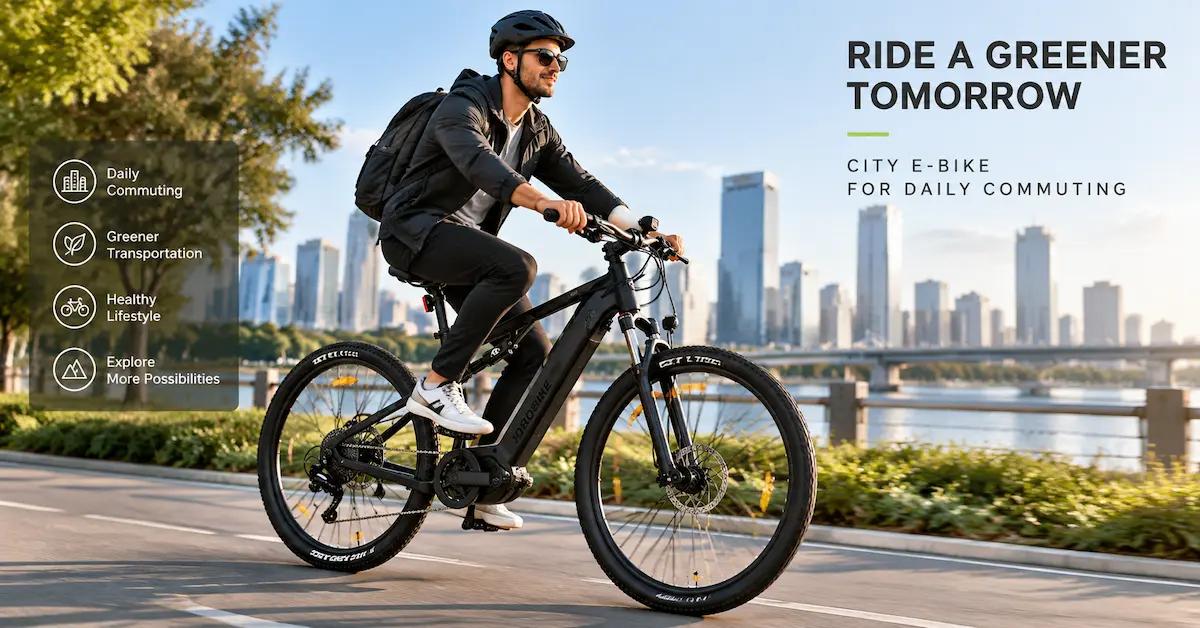
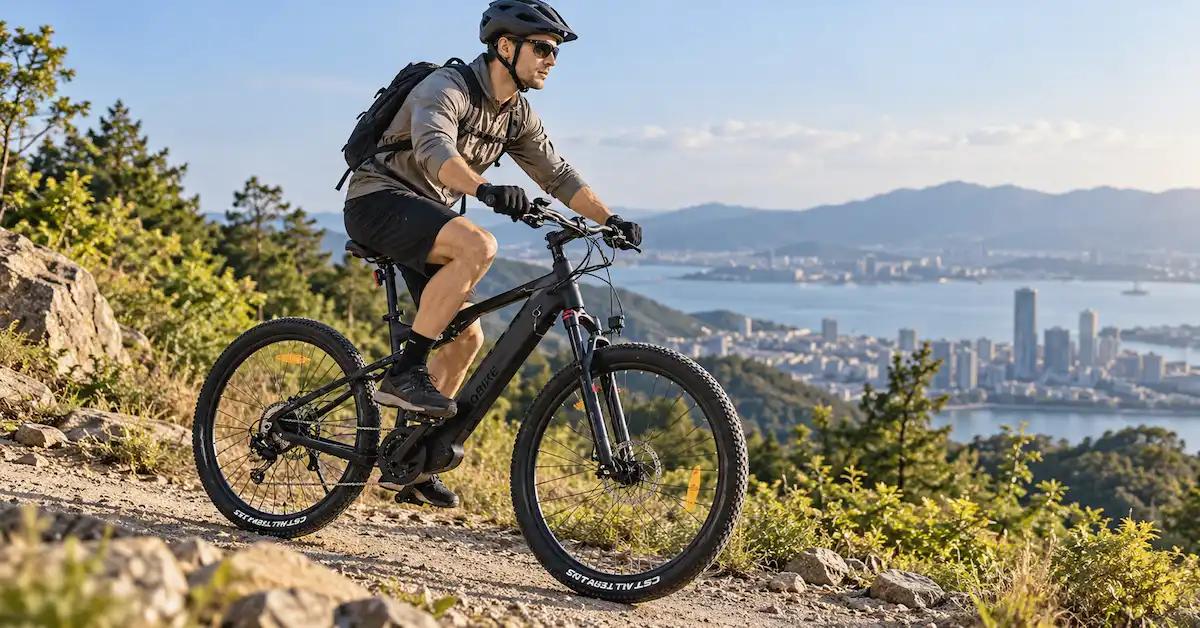
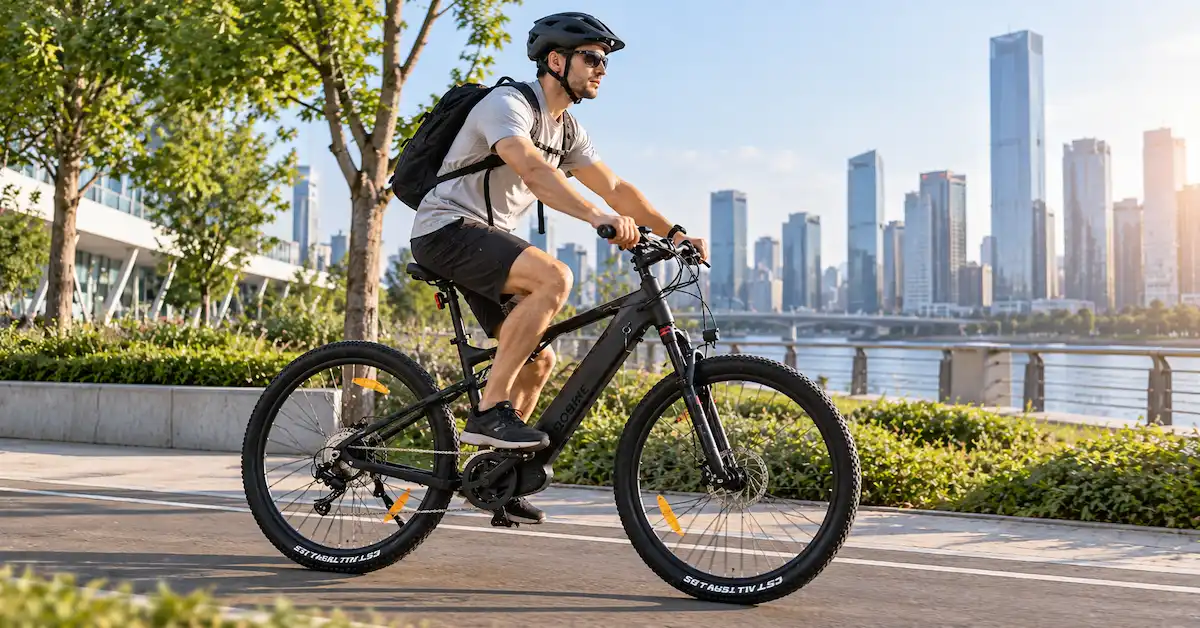
The City Commuter Electric Bike provides an example for dealers accustomed to multi-speed chain-drive service. The Belt Drive City E-Bike shows another urban ownership proposition: quieter, cleaner drive operation with fewer chain-care tasks. The Smart City Electric Bike is relevant where a brand wants a more sophisticated mid-drive and internal-hub configuration.
These models should not be ranked simply by their published 60 km range figures or 350W motor descriptions. Ask for the current model revision, battery identity, approved components, spare-parts list and region-specific configuration. The model pages show the starting point; a signed technical specification defines the product you actually buy.
Belt Drive or Chain Drive: Which Is Easier to Support?
Belt drive is attractive for riders who dislike chain lubricant on everyday clothing. It can reduce routine cleaning and lubrication work, but it is not maintenance-free. Correct alignment, tension, pulley condition and compatible frame geometry still matter. A belt-specific replacement may also be less readily available in a local bicycle shop than a common chain.
A traditional chain and derailleur offer familiar service practices, flexible gearing and widespread parts availability. They need cleaning, lubrication and adjustment, especially in wet or gritty conditions. For a city commuter collection, the choice should depend on the expected user, local repair network and whether the importer can maintain a consistent stock of drive parts.
| Dealer priority | Chain and derailleur | Belt drive |
|---|---|---|
| Local parts familiarity | Often widespread | Confirm specialist part supply |
| Routine care | Lubrication and wear checks | Alignment and tension checks |
| Everyday clothing | Greater chance of grease contact | Cleaner exterior drive |
| Gear options | Wide choice of derailleur setups | Depends on hub or drive design |
| OEM control point | Chainline, shift adjustment, hanger | Frame compatibility, belt tension, pulley alignment |
Do not award a purchase contract because a component is labeled “premium.” Ask the factory to demonstrate the maintenance process with the exact production configuration.
Make Battery and Electronics Replacement Predictable
Electrical faults are especially disruptive when a dealer cannot tell whether the cause is a battery, connector, display, controller or sensor. During prototype approval, request a basic diagnostic flowchart, clear wiring identification and an agreed route for technical escalation.
For battery planning, ask whether the pack can be removed safely, whether the enclosure and electrical connector are consistent between production batches and how a replacement is identified. A 36V/15Ah specification indicates 540Wh of nominal energy by simple multiplication; it does not guarantee a fixed commute distance. Real range varies with assist level, rider load, gradients, temperature, tire pressure and battery condition.
A dealer-ready package should clarify charger compatibility, pack labeling, storage guidance, replacement ordering, transport documentation and the response process for a suspected fault. Lithium-battery transport documents such as UN38.3 evidence serve a different purpose from complete-bicycle electrical safety evaluation. Ask for documents relevant to the actual battery, charger and complete system rather than accepting an unrelated certificate.
When connected displays or Bluetooth functions are part of the product proposition, also establish who supports the software, how firmware revisions are recorded and what happens if the display supplier changes. A serviceable physical bicycle can still become difficult to support when its electronic components are undocumented.
Design Around Everyday Workshop Jobs
A city bike can be comfortable on the road yet inconvenient on a repair stand. Look at practical details: can the rear wheel be removed without damaging wiring? Is the controller accessible after reasonable disassembly? Are brake hoses and cables protected where they pass through the frame? Can a technician replace the front or rear light without disturbing major assemblies?
The answer depends on the model, not just the manufacturer's name. During sample inspection, ask your own repair partner to evaluate the tasks that generate the most customer visits in your local market. Keep the findings in an acceptance record, with photographs of connector locations and the approved component markings.
Commuter accessories need similar scrutiny. A rear rack must suit the intended load and mounting arrangement; a poorly supported fender can rub a tire; integrated lighting should be maintainable. If you plan to sell panniers, baskets or child-carrying accessories, do not infer compatibility from appearance. Require the relevant mounting dimensions, loading information and applicable safety assessment.
Practical buying insight: A modest increase in service access can be more valuable than an extra display feature—provided it solves a measured dealer problem. The right trade-off should be confirmed with your workshop, not guessed from a catalog.
How to Validate a City E-Bike Sample Before Ordering
Treat a prototype as a service and safety evaluation tool, not only a photography sample. Build a repeatable acceptance plan around the actual route, rider profile and intended sales region.
1. Confirm the exact BOM. Record the frame revision, motor and controller identifiers, battery pack, charger, tires, brakes, drivetrain, display, connectors and accessories. Mark any proposed substitute as pending approval.
2. Run a representative ride. Include frequent starts, low-speed turns, a moderate slope where relevant, uneven pavement and controlled braking. Record environmental conditions and total load; do not substitute a showroom ride for a defined evaluation.
3. Perform workshop tasks. Change a tire, remove and reinstall the battery where designed for removal, inspect brake pads and follow an electrical diagnostic procedure. Record tools, instructions and obstacles, without setting an arbitrary pass time before your technicians agree on one.
4. Review evidence for safety and compliance. Check the test reports, manufacturer declarations, traceable identification and user information that apply to the exact configuration. The name of a test standard on a brochure is not evidence that every option has been evaluated.
5. Approve a golden sample. Keep the signed sample specification, photographs, firmware details and packaging configuration as your reference for future production and reorders. Require written approval of substitutions.
JOBO's OEM/ODM program describes development, production and quality-control support. Buyers should still agree in writing on sample tests, inspection access, documentation responsibilities and the criteria used to release an order.
Market Compliance Comes Before a Bulk Quote
A city e-bike manufacturer must understand that the same advertised motor configuration may be treated differently by different markets. For the European Union, Regulation (EU) No 168/2013 excludes certain pedal-assist cycles from its vehicle type-approval scope when the auxiliary motor has maximum continuous rated power of 250W, assistance stops when pedaling stops and support is progressively reduced and cut off before 25 km/h. EN 15194 is an important technical reference for EPAC bicycles, but applicability and documentation must be checked for the actual model and current rules.
That distinction matters here because several JOBO city model pages publish 350W reference configurations. A listed maximum speed of 25 km/h does not by itself establish that a 350W build qualifies as an EU 250W EPAC. Request a market-specific motor/controller specification and supporting evidence before advertising, importing or selling a vehicle in that category.
In the United States, applicable federal bicycle requirements include 16 CFR Part 1512, while state and local e-bike classifications can impose additional limits on operation and labeling. Electrical-system safety expectations and any required certification also depend on the intended sales channel and jurisdiction. Do not assume an EU document replaces US requirements—or vice versa.
A useful compliance discussion starts with the destination country and exact vehicle configuration. Then ask which party supplies testing, labeling, manuals, technical documentation, battery transport records and any required third-party certification.
How to Compare Quotations Beyond the Bike Price
The buying team should compare landed and supported cost, not only the factory price. A practical internal model is:
Supported ownership cost = purchase and logistics costs + planned service consumables + technician labor + warranty and replacement logistics + inventory carrying costs.
This is a planning formula, not a promise of savings. Populate it with your own service records and negotiated supplier terms. If you do not yet have historical data, run a pilot, log workshop operations and revisit assumptions after the first selling season.
Ask every shortlisted supplier to quote the same approved BOM, packaging specification, spare-parts kit, documentation package and delivery terms. Confirm whether batteries, chargers, fenders, racks, lighting and branded cartons are included. A quote that excludes essentials may appear cheaper while creating an expensive launch.
For spare parts, avoid asking only whether “parts are available.” Request an itemized list of serviceable components, replacement ordering units, identification method, commercial terms and the proposed handling of changes across production batches. Agree on realistic response and warranty arrangements in the contract.
Why JOBO Is Worth Evaluating for a City E-Bike Program
JOBO, operated by Jinhua JOBO Technology Co., Ltd., publishes city e-bike platforms and provides OEM/ODM development, bicycle manufacturing, frame-related engineering and quality-control support. Its website also describes manufacturing operations in China and activities in Poland. Those are relevant capabilities for buyers comparing suppliers, but factory scale alone does not establish the serviceability of a particular model.
The procurement advantage of starting with a real product platform is that a brand can identify the engineering changes it needs instead of requesting an undefined custom bicycle. Buyers can inspect the city e-bike range, discuss the OEM/ODM workflow and request current evidence for the shortlisted SKU. The right result is an auditable, repeatable specification—not a blanket claim that every bike meets every standard.
For a commuter lineup, a sensible supplier conversation might focus on a chain-drive option for conventional dealer workshops and a belt-drive option for customers who value clean daily ownership. Whether the commercial market supports both variants should be decided through demand research, service capacity and sample results.
Copy This Dealer-Ready City E-Bike RFQ Checklist
Send the following project information when asking a city e-bike manufacturer for a proposal:
- Market and channel: destination country, retail network, private-label brand or mobility program.
- Use profile: typical route length, hills, road surface, rider and luggage requirements.
- Platform: preferred JOBO reference model or desired frame geometry, fit and accessories.
- Electrical system: market-appropriate motor and control requirements, battery specification, charging and diagnostic access.
- Service plan: preferred chain/belt system, brake and tire standards, common tools, spares and technical documentation.
- Evidence: sample inspection plan, compliance responsibilities, battery records, BOM revision control and packaging tests.
- Commercial details: pilot quantity, forecast volume, target delivery region, branding, warranty process and required quotation terms.
Ask the supplier to separate included specifications, optional changes and items requiring development or testing. This one distinction can prevent many misunderstandings before the sample stage.
Frequently Asked Questions
What should distributors look for in a city e-bike manufacturer?
Look for a suitable commuter platform, documented components, safe service access, available replacement parts, region-specific compliance evidence and a process for controlling approved specifications across production batches.
Is a belt-drive city e-bike maintenance-free?
No. It generally avoids chain lubrication, but belt tension, alignment, wear and compatible replacement parts still need attention. Ask for the exact belt service procedure and local parts strategy.
Can a published 350W city e-bike be sold as a standard EU 250W EPAC?
Not on that specification alone. The motor's maximum continuous rated power and the full assistance behavior must satisfy the applicable rules. Request an appropriately configured and documented variant.
How should brands evaluate a claimed 60 km range?
Request the test conditions and conduct your own representative ride. Battery energy, rider mass, temperature, terrain, tire pressure and assist setting all affect real-world distance.
What spare parts should be discussed before the first order?
At minimum, discuss batteries and chargers, displays, sensors and controllers, brake wear parts, tires, drive components, lights and matching electrical connectors. Final stocking quantities depend on the actual design and service history.
Does OEM branding automatically require new frame tooling?
Not necessarily. Logos, colors, packaging and selected components may be adapted on an existing platform, whereas altered geometry or new structural interfaces can require additional engineering, validation and tooling.
What should happen before mass production begins?
Approve the exact sample and BOM, confirm technical documentation, agree on inspection and acceptance criteria, and document substitution control, packaging and after-sales responsibilities.
Conclusion
A competitive city e-bike is more than a comfortable ride and an attractive price. For dealers and importers, its long-term value depends on clear component specifications, accessible repairs, predictable spare parts, correct regional configuration and repeatable production. These are practical requirements that a buyer can test before purchasing at scale.
A city e-bike manufacturer should be evaluated on how well its product and support processes serve the final rider and the workshop that keeps the bike on the road. JOBO's published city commuter, belt-drive and smart city models provide useful starting points for those conversations. Select the relevant platform, define your service expectations, verify the actual sample and request a documented OEM proposal through JOBO's contact page.