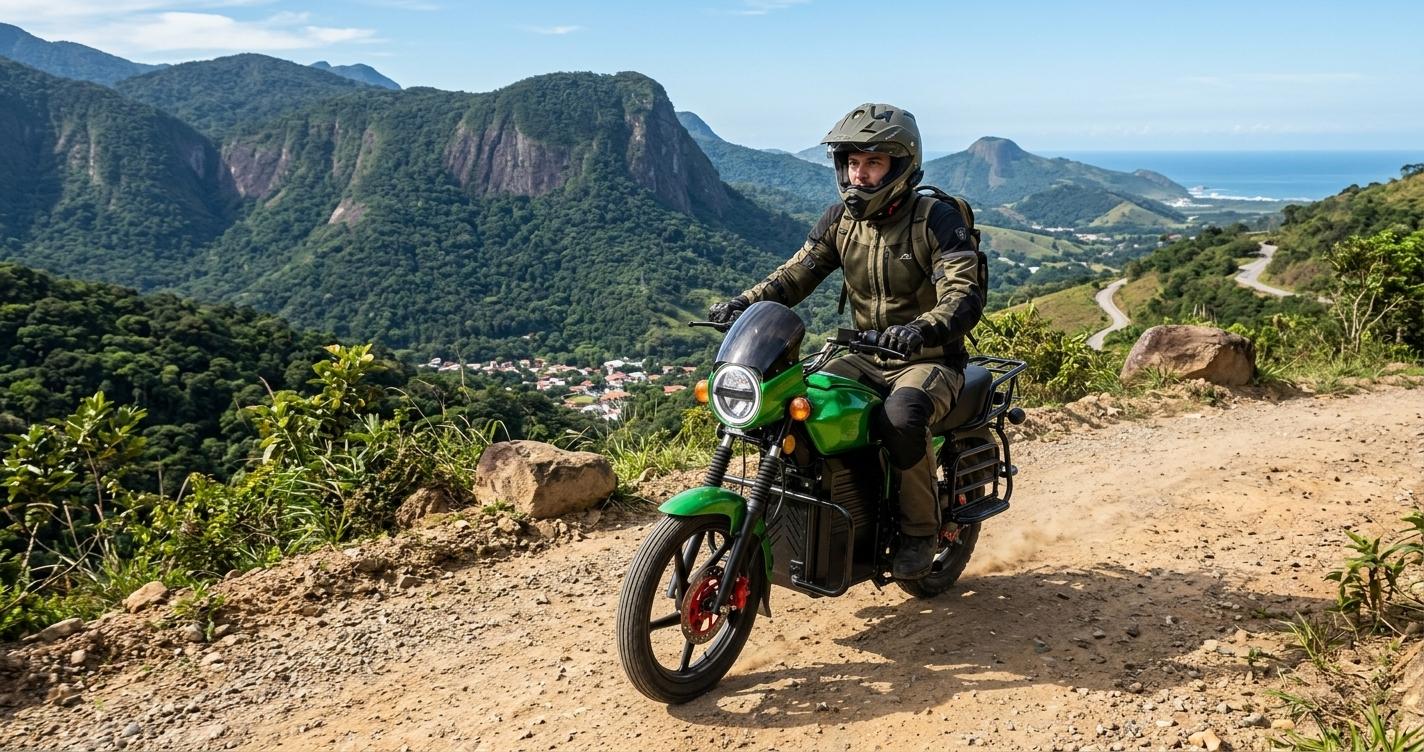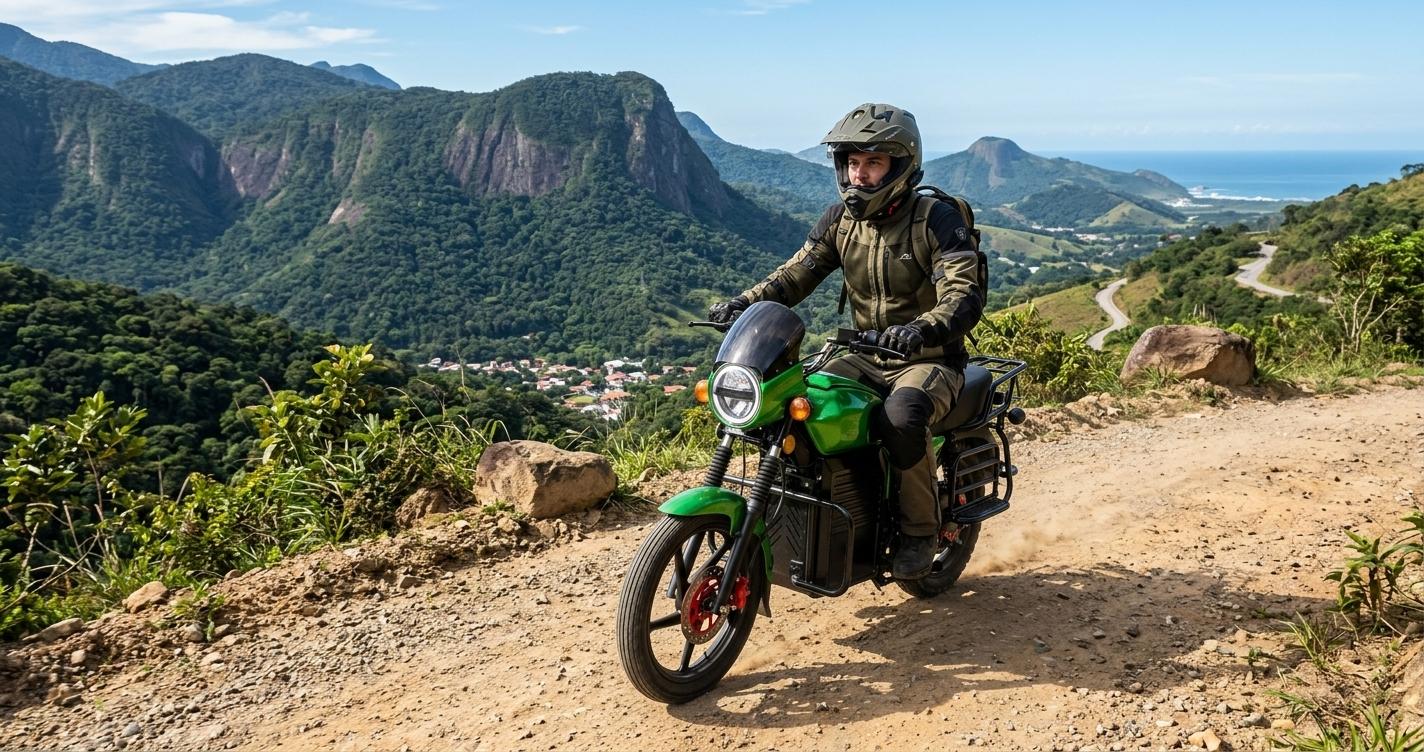
A mid-drive motor gives a shared e-moped fleet three measurable advantages over a hub motor: it climbs sustained grades without overheating, it holds efficiency above 92% under load, and it keeps vehicle mass centered for stability with back-to-back riders. The JOBO TDP10 shared e-moped is built around a 3.0KW mid-drive motor for exactly these reasons. The crank-mounted unit delivers 150N·m of wheel torque, peaks at 6500W, and carries an 80kg rider up 17° gradients — while its 72V 50Ah LFP battery returns a consistent 80–100km of range and recharges in 3 hours. Here is what each of those numbers means in daily fleet operation.

The TDP10 Mid-Drive Motor at a Glance
|
Spec |
Value |
|
Motor |
3.0KW nominal mid-drive, 6500W peak |
|
Wheel torque |
150N·m |
|
Max motor efficiency |
>92% |
|
Climbing |
≥17° with an 80kg rider |
|
Top speed |
80km/h |
|
Battery |
72V 50Ah LiFePO4, ≥2000 cycles |
|
Range |
80–100km |
|
Full charge |
3 hours (20A charger) |
Specs are only half the story. What matters to an operator is what a mid-drive motor does that a hub motor cannot — five advantages, each tied to a number above.
What Is a Mid-Drive Motor?
A mid-drive motor sits at the crankset, in the center of the frame, and sends power through the chain to the rear wheel. Because it drives the drivetrain, its torque is multiplied through the gears — the same reason a cyclist shifts down before a climb. A hub motor is built directly into the wheel and turns it at a fixed ratio. That single difference in layout produces every advantage below.
Advantage 1: 17° Climbing on Routes Hub-Motor Fleets Cannot Serve
Torque multiplication is the core benefit. The TDP10's mid-drive motor routes 150N·m through the gears, so it sustains a 17° gradient with an 80kg rider on board — the ramp-and-hillside profile typical of parks, campuses, and scenic zones. A hub motor must brute-force the same climb at a fixed ratio, heating up as it works and losing efficiency until either the route or the vehicle drops out of service. When station placement follows visitor flow rather than terrain, that difference decides which routes a fleet can monetize at all.
Advantage 2: Efficiency That Holds on Hills — Predictable Range and Energy Cost
Peak efficiency above 92% matters less than where it holds: under load, on grades, during back-to-back trips. Because the mid-drive layout lets the gears share the work, the TDP10's battery drain tracks distance rather than elevation — the 72V 50Ah LFP battery delivers its rated 80–100km across mixed terrain instead of sagging on climbs, and the 20A charger refills it in 3 hours. For an operator, that means utilization and charging schedules become plannable line items instead of guesses.
Advantage 3: Centralized Mass — Stability at Full Load and on Wet Pavement
With the motor at the crank instead of inside a wheel, weight stays between the axles. On a platform that carries up to 150kg at 80km/h — 110.9kg curb weight, 17-inch tires, front and rear hydraulic suspension — that centered mass means predictable handling for every rider who unlocks the vehicle, including heavier riders and on wet pavement. Rental riders are strangers; the vehicle has to be stable for all of them.
Advantage 4: Standard Wheels, Standard Service
A mid-drive motor keeps the motor out of the wheels, so tire changes and wheel service stay routine workshop tasks — no motor disconnection, no reconfiguring. The drivetrain adds only chain inspection, a task shared with every chain-driven moped a fleet already maintains. Less special tooling, faster turnaround per vehicle, more vehicles in revenue service.
Advantage 5: A Drivetrain on the Same Clock as the Battery
Fleet economics fail when components age at different rates. The TDP10 pairs its mid-drive motor with a LiFePO4 battery rated for ≥2000 charge cycles under a Smart BMS — a battery designed to outlast the typical fleet depreciation window rather than force early replacement. High drivetrain efficiency and stable thermal behavior mean the battery is never asked to compensate for energy wasted on hills, so the whole powertrain ages on one predictable schedule.
Mid-Drive vs Hub Motor: The Fleet-Level Comparison
|
|
Mid-drive (TDP10) |
Typical hub motor |
|
Position |
Crankset, center of frame |
Inside one wheel |
|
Wheel torque |
150N·m, multiplied through gears |
Fixed ratio, weaker on sustained climbs |
|
Sustained climbing |
17° at 80kg rider weight |
Power fades as windings heat |
|
Efficiency under load |
>92% peak, stable on grades |
Drops as the motor heats |
|
Range consistency |
80–100km across mixed terrain |
Range sags on hilly routes |
|
Weight distribution |
Centralized between axles |
Concentrated in one wheel |
|
Tire change |
Standard wheel removal |
Motor comes out with the wheel |
|
Best fit |
Rental fleets on mixed terrain |
Flat-city, light-duty use |
What This Means for Fleet Operators
- Route capability: inclines that strand hub-motor vehicles stay in revenue service.
- Predictable energy cost: drain tracks distance, not elevation — utilization and charging schedules plan themselves.
- Speed governance: an 80km/h ceiling leaves headroom to configure vehicles to local shared-fleet limits while keeping torque reserve for climbs.
- Service simplicity: standard wheels and routine chain checks fit the maintenance fleets already perform.
- Depreciation alignment: a ≥2000-cycle battery and an efficient drivetrain age together, not in sequence.
FAQ
Why do shared e-mopeds use mid-drive motors instead of hub motors?
Because rental duty is harder than private use: back-to-back riders, full-day operation, and hilly scenic routes. A mid-drive motor multiplies torque through the gears, so it climbs 17° grades at an 80kg rider weight without the overheating that degrades hub-motor performance in the same conditions.
How steep a hill can the TDP10 climb?
The TDP10 is rated for gradients of at least 17° with an 80kg rider on board, with 150N·m of wheel torque from its 3.0KW mid-drive motor.
How fast is the TDP10, and can speed be limited for sharing?
Top speed is 80km/h. Operators can govern vehicles to local shared-fleet speed limits; the mid-drive motor keeps its torque reserve for climbs even at governed speeds.
Do mid-drive motors require more maintenance?
They route power through the chain, so chain wear joins routine inspection — a task already standard in fleet maintenance. In exchange, wheels stay standard assemblies for tire changes, and both efficiency and climbing performance improve.
See What the TDP10 Can Do for Your Fleet
The motor is one part of a platform built for shared operation: compliant vehicles, an IoT management backend with GPS positioning, geofencing, and remote lock control — deployable under your own brand as a white-label fleet solution — plus after-sales support. Talk to the JOBO team about deploying TDP10 fleets and request the full specification sheet.